



Bitcoin Multi: Navigating the Future of Cryptocurrency Transactions
With the rising popularity of Bitcoin, understanding how to enhance transaction security has become paramount. Did you know that millions of dollars were lost to hacks in the crypto space last year alone? The method of Bitcoin multi-signature emerges as a crucial solution for securing digital assets against unauthorized access. In this comprehensive guide, we will delve into the world of Bitcoin multi-signature transactions, highlighting their importance, mechanics, and role in today’s decentralized financial ecosystem.
Understanding Multi-Signature Transactions
Let’s break it down. A multi-signature transaction, often referred to as a multi-sig, requires multiple private keys to authorize a transaction. Unlike traditional Bitcoin transactions that can be executed with a single key, multi-sigs add an additional layer of security. This is akin to a bank vault that requires more than one key to access – ensuring that no single entity has complete control.
- Enhanced Security: By requiring multiple signatures, the risk of unauthorized access is significantly reduced.
- Decentralization: No single point of failure; even if one key is compromised, the funds remain protected.
- Use Cases: Ideal for businesses or organizations managing funds, or individuals wanting extra protection for their assets.
The Mechanics of Multi-Sig Wallets
Multi-sig wallets operate on a simple principle: each transaction must be validated by a specified number of private keys. This set-up can be configured in various ways, such as 2-of-3 or 3-of-5, indicating how many keys are required to execute a transaction. For instance:
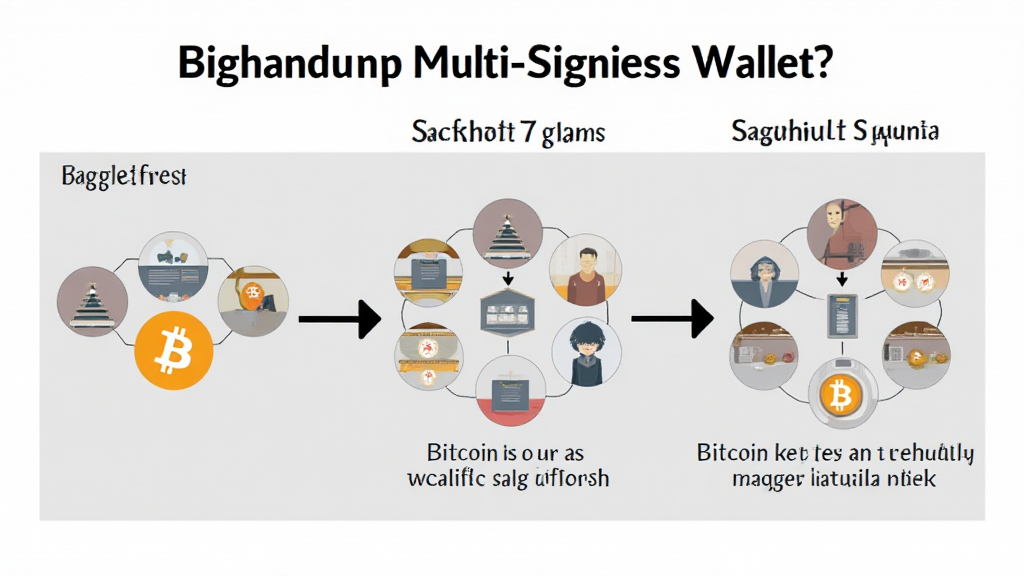
- **2-of-3**: Two out of three key holders must approve a transaction.
- **3-of-5**: Three out of five key holders are required for approval.
This structure not only mitigates risk but also allows for collaborative management of assets, making multi-sig wallets especially attractive for businesses and group investments.
Setting Up a Multi-Signature Wallet
Here’s the catch: setting up a multi-signature wallet involves several steps, but with the right tools, it can be straightforward. Platforms like Electrum and BitGo offer user-friendly interfaces for wallet setup:
- **Choose a Multi-Sig Wallet Provider:** Select a platform that supports multi-sig functionality.
- **Define Your Settings:** Determine the number of signatures required for transactions.
- **Generate Keys:** Create private keys for each signatory or participant.
- **Collaborate with Co-Signers:** Ensure all parties understand their responsibilities.
The Benefits and Risks of Bitcoin Multi-Signature
While there are clear advantages to implementing a multi-signature approach, it’s essential to recognize potential pitfalls as well. Some benefits include:
- Greater Control: Multi-sig configurations can help prevent fraud and theft by ensuring that no single individual can execute transactions independently.
- Operational Flexibility: Organizations can delegate responsibility while maintaining oversight.
However, risks do persist:
- Complexity: Managing multiple keys can be cumbersome and can lead to confusion or loss.
- Dependency Risks: If co-signers lose access to their keys, it may result in lost access to funds.
Real-World Examples of Multi-Sig Use
Numerous organizations and individuals have adopted multi-signature wallets to protect their Bitcoin transactions. A prime example is the Bitfinex exchange, which uses multi-sig technology to secure user funds against hacks. Moreover, Bitcoin’s growing popularity in countries like Vietnam presents a unique opportunity for multi-sig wallets to protect local investors. According to recent data, the Vietnamese crypto user base has grown significantly, marking an increased need for enhanced security around these digital assets.
Future Trends in Multi-Signature Technology
As the cryptocurrency landscape continues to evolve, multi-signature technology will likely advance as well. With innovations such as smart contracts paving the way for automated multi-sig agreements, we might see:
- More Customizable Solutions: Users may have the option to tailor multi-sig arrangements to fit their unique needs.
- Increased Integration: Businesses may adopt multi-sig systems as standard practices for transactions.
As we approach 2025, it’s clear that the necessity for robust security measures, such as Bitcoin multi-signature, will only grow.
Conclusion
In conclusion, Bitcoin multi-signature transactions represent a pivotal element in enhancing the security of digital assets. By understanding the significance of multi-sigs and implementing them where needed, users can safeguard their cryptocurrencies from potential threats. As the number of cryptocurrency users continues to increase, particularly in regions like Vietnam, adopting these security measures can provide a greater sense of confidence in managing digital finances. For anyone entering the cryptocurrency space, recognizing the value of Bitcoin multi is essential for building a secure future.
For more insights on cryptocurrency, check out hibt.com for our detailed analyses and resources.
With all the innovative solutions emerging, being informed is crucial. Therefore, consider setting up a multi-signature wallet today to fortify your cryptocurrency endeavors! Not financial advice. Consult local regulators for guidance.
Author: Dr. John Smith, a renowned blockchain security expert with over 15 published papers on cryptocurrency technologies and a lead auditor for notable projects in the industry.


