



Introduction
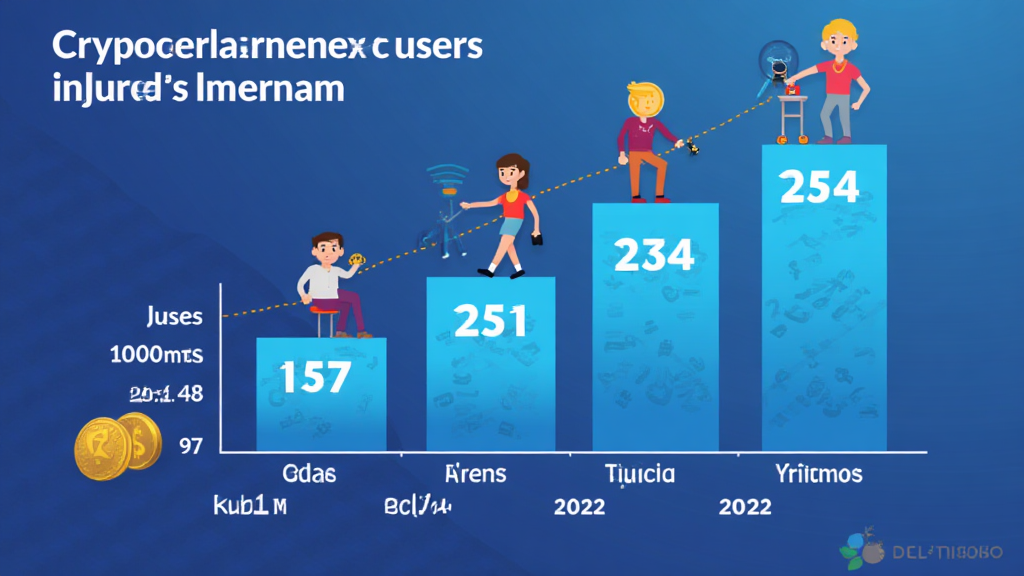
As Vietnam’s crypto market continues to grow, it’s vital for investors to understand the nuances of crypto tax in Vietnam. With reports indicating a rapid increase in local crypto users, reaching 5 million by the end of 2024 (source: Statista), understanding these regulations is imperative. Misunderstanding the tax obligations can lead to hefty fines or legal issues, especially as the Vietnamese government tightens its grip on cryptocurrency regulations.
What is Crypto Tax?
Crypto tax refers to the taxation of income generated from cryptocurrency transactions. This encompasses capital gains tax on profits made from buying and selling cryptocurrencies, as well as income tax on earnings from mining or staking. In Vietnam, the tax implications for trading cryptocurrency are becoming increasingly stringent as the government aims to regulate this booming sector.
How is it Calculated?
- Capital Gains Tax: This applies when you sell your cryptocurrency for a profit.
- Income Tax: This applies to mining or earning crypto through rewards.
- Transaction Fees: Any fees paid during trades may also have tax implications.
Important Tax Regulations in Vietnam
The Vietnamese government has announced a framework for crypto taxes that investors must adhere to. Here are some key points:
- Your crypto income may be subject to a 20% capital gains tax.
- If you’re engaged in mining activities, those earnings will be taxed as regular personal income.
- Businesses accepting cryptocurrency as payment must assess their tax liabilities and report accordingly.
How to Ensure Compliance
Maintaining accurate records and staying informed is crucial to navigating the complexities of crypto tax in Vietnam. Here are a few tips:
- **Keep accurate records of all trades**: Document each transaction, including amounts, prices, and dates.
- **Consult a tax expert**: Reach out to CPA or tax lawyers specialized in crypto regulations.
- **Stay updated on regulations**: With new laws emerging, it’s imperative to stay informed about changes.
Local Regulations and How They Affect Investors
Vietnam’s crypto landscape is shaped by unique local regulations. For example, Bitcoin is not recognized as legal tender in the country, yet trading cryptocurrencies is permitted. This paradox means traders must carefully navigate their legal status while understanding tax implications.
Conclusion
In conclusion, as the digital asset landscape evolves in Vietnam, so too does the complexity surrounding crypto tax in Vietnam. Staying informed and compliant is crucial as local laws become more structured. Make sure to keep documentation thorough and seek professional advice when necessary.
For more insights on navigating the crypto world, check out hibt.com. Remember, it’s essential to consult with local regulators for the most current information and to stay compliant with the law.


