



2025 Blockchain Security Standards: A Comprehensive Guide for Digital Asset Protection
In 2024, the DeFi sector faced an alarming statistic, losing approximately $4.1 billion due to hacks and vulnerabilities. This situation raises pertinent questions about the security of one of the most significant breakthroughs in technology — the Bitcoin network. As adoption increases globally, especially in regions like Vietnam, understanding bitcoin network security becomes vital for every investor and developer alike.
This comprehensive guide seeks to enlighten both beginners and seasoned individuals on how to navigate the complexities of blockchain security in the context of Bitcoin, particularly focusing on the Vietnamese market.
Understanding the Basics of Bitcoin Network Security
Before delving into the nuances, it’s essential to grasp the fundamentals of the Bitcoin network and its security protocols. Bitcoin operates on a decentralized model, leveraging a peer-to-peer network that necessitates a robust security framework. Just like a bank safeguarding its assets, the Bitcoin network employs several layers of protection against potential threats.
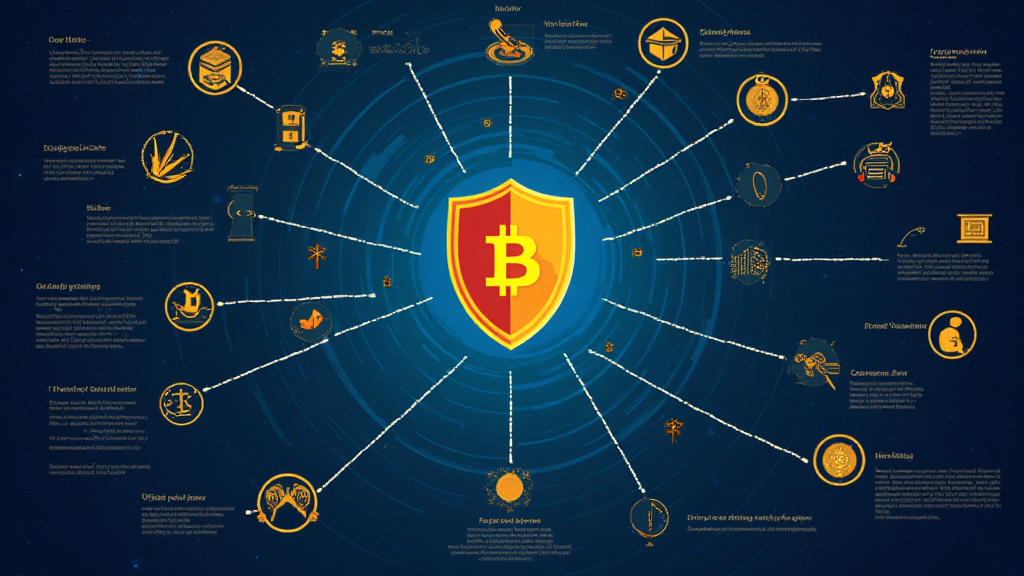
What are the Common Security Threats?
- **51% Attacks:** This occurs when a single entity gains control of more than half of the network’s hashing power, allowing them to manipulate transactions.
- **Double-Spending:** A scenario where a user tries to spend the same bitcoin more than once by exploiting the system.
- **Phishing Attacks:** Cybercriminals attempt to deceive users into providing sensitive information via fake websites or communications.
The Role of Consensus Mechanisms
Consensus mechanisms are crucial in ensuring the integrity of the Bitcoin network. Nodes must reach an agreement before confirming transactions, protecting against fraud and ensuring transparency. There are several types of mechanisms, with Proof of Work (PoW) being the most prominent in Bitcoin. However, each has its vulnerabilities.
Proof of Work Vulnerabilities
While PoW provides security and decentralization, it is not without flaws. For example:
- **High Energy Consumption:** The mining process consumes significant energy, raising environmental concerns.
- **Centralization Risk:** Over time, large pools of mining resources can dominate, which jeopardizes the decentralized nature of the network.
Best Practices for Enhancing Bitcoin Security
The security of the Bitcoin network is paramount, and there are essential practices individuals and organizations can implement to safeguard their investments:
- Utilize Hardware Wallets: Tools like Ledger Nano X can dramatically reduce hacks by keeping your private keys offline.
- Enable Two-Factor Authentication (2FA): This adds an additional layer of security to user accounts.
- Keep Software Updated: Routine updates fix security vulnerabilities, ensuring your wallet or exchange is fortified against new threats.
Vietnam’s Growing Bitcoin Market and Security Challenges
As of 2025, Vietnam has seen a substantial increase in cryptocurrency adoption, with a staggering 150% growth in the number of crypto users since the previous year. This explosive growth comes hand-in-hand with significant security challenges.
The Vietnamese government has recently begun implementing stricter regulations concerning cryptocurrency trading and blockchain technology. Local investors need to remain vigilant and informed regarding these regulations to avoid pitfalls and ensure compliance.
Tackling Local Security Issues
In Vietnam, the following challenges are particularly pressing:
- Regulation and Compliance: Understanding local laws surrounding cryptocurrencies is crucial for all investors.
- Security Infrastructure: Building robust infrastructures is essential, especially for exchanges and wallets to protect against hacks.
Future Trends in Bitcoin Security
As we progress through 2025 and beyond, several trends are emerging within the realm of Bitcoin security:
- Increased Adoption of Quantum Security: As quantum computing becomes more prevalent, blockchain protocols will need to evolve to prevent potential threats.
- Integration of AI in Security Protocols: Artificial Intelligence can provide enhanced threat detection and response mechanisms.
Conclusion: Securing Your Digital Assets in Vietnam
In conclusion, understanding bitcoin network security is an evolving necessity in the rapidly growing Vietnamese cryptocurrency space. Implementing proper security protocols and staying informed about new threats can protect your assets and investments. Remember that with the rise of digital currencies comes the responsibility of ensuring their safety.
Let’s remember: in the world of cryptocurrency, being proactive is key. Secure your assets by familiarizing yourself with best practices and local regulations. As the market evolves, so too should our methods of protection.
For further reading, visit hibt.com and explore our in-depth guides on cryptocurrency security.
Author: Dr. Minh Tran, a renowned expert in blockchain technology and security with over 15 articles published in top-tier journals, and has led the audits for prominent projects within the cryptocurrency space.


